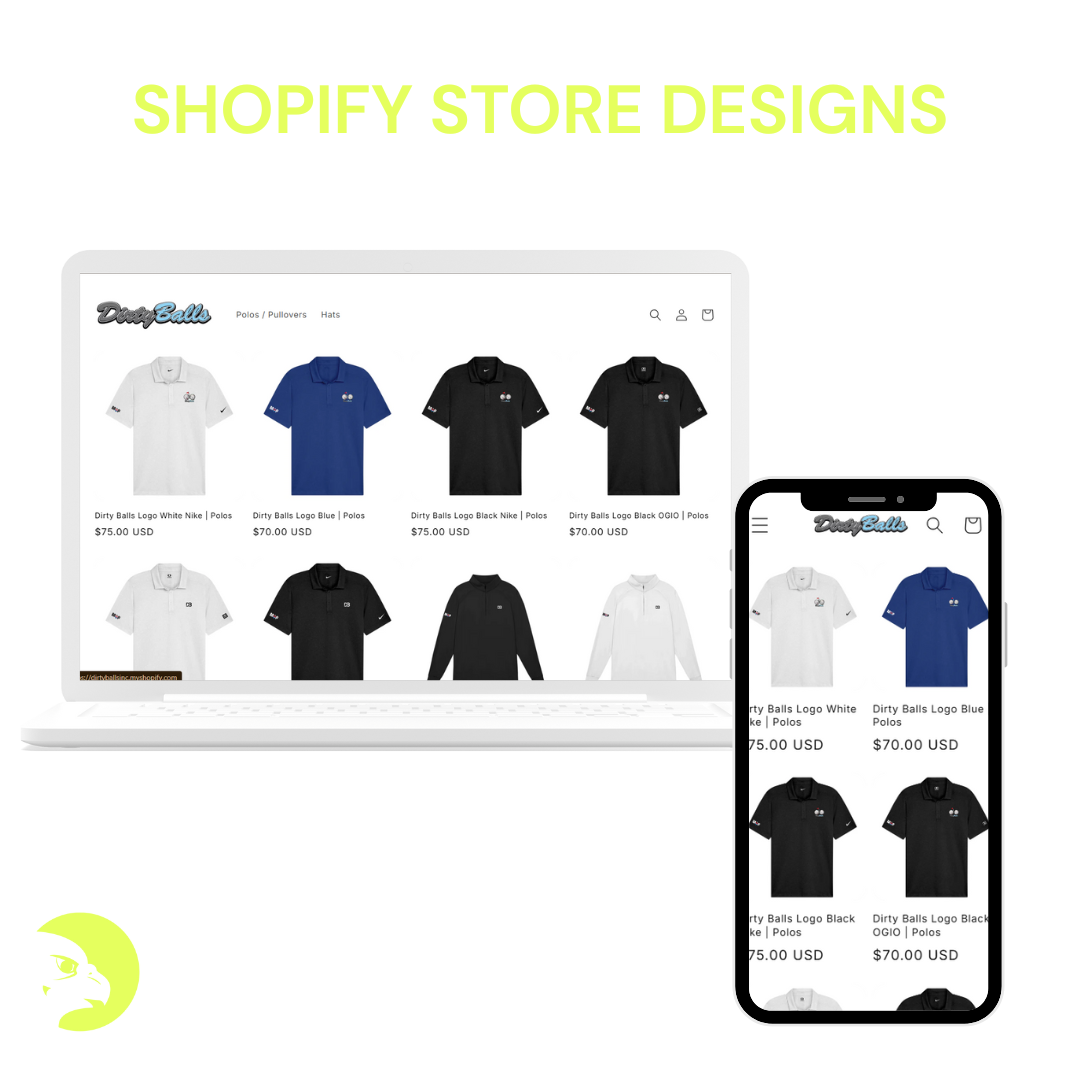
In today’s digital world, online shopping has become a daily habit for millions of people. From clothes to electronics and groceries, everything is just a few clicks away. Behind this online shopping revolution stands a powerful system known as an E-commerce Marketplace. Platforms like Amazon, eBay, and Etsy have changed the way people buy and sell products.
If you are planning to start your own E-commerce Marketplace, this guide will help you understand every step to build a profitable business that supports both local and global sellers. Let’s begin with the basics.
What Is an E-commerce Marketplace?
An E-commerce Marketplace is an online platform where different sellers can list their products, and buyers can purchase from any of them. Think of it as a digital shopping mall where various shops are gathered in one place. Each seller manages their own store, products, and prices, while the marketplace owner manages the website, collects commissions, and ensures smooth operations.
Unlike a single online store, an E-commerce Marketplace offers more variety, better competition, and more choices for customers. It also allows sellers from different regions to reach buyers they could never access before.
Why You Should Build an E-commerce Marketplace
Starting an E-commerce Marketplace can be a life-changing business idea. Here are some reasons why it can be a profitable opportunity:
- You Earn from Every Sale:
As the marketplace owner, you get a commission from each sale without having to own any inventory yourself.
- Low Risk and High Scalability:
Since you do not need to stock products, the risk is lower compared to traditional retail. You can easily expand by adding more sellers.
- Global Reach:
You can work with local sellers at first and then scale your business to connect with international sellers.
- Diverse Product Range:
Having multiple sellers means a wide range of products, which attracts more customers.
- Brand Authority:
A well-designed marketplace builds trust and becomes a go-to platform for buyers and sellers.
Step 1: Choose Your Marketplace Type
Before starting, decide what kind of E-commerce Marketplace you want to build. There are several models you can choose from:
- Business-to-Consumer (B2C): Companies sell products directly to customers. Example: Amazon.
- Consumer-to-Consumer (C2C): Individuals sell to each other. Example: eBay.
- Business-to-Business (B2B): Businesses sell products or services to other businesses. Example: Alibaba.
If you’re just starting out, B2C or C2C models are easier to manage and grow. Once you understand your audience, you can expand to other types.
Step 2: Choose a Profitable Niche
You cannot sell everything at once. To make your marketplace successful, start with a specific niche. It helps you attract the right audience and build trust faster.
Here are some examples of profitable niches:
- Handmade crafts and jewelry
- Eco-friendly products
- Electronics and gadgets
- Fashion and beauty items
- Home and kitchen products
Research what people are searching for in your target region. Use tools like Google Trends or social media insights to find trending products.
Step 3: Plan Your Business Model
A business model explains how your E-commerce Marketplace will make money. There are several ways to earn profit from your platform:
- Commission Model:
You take a percentage from each sale made through your platform.
- Subscription Model:
Sellers pay a monthly or yearly fee to list their products.
- Listing Fee Model:
Sellers pay a small fee each time they list a product.
- Advertisement Model:
You can sell ad spaces on your platform to boost seller visibility.
You can even mix these models. For example, charge a small commission per sale and offer premium listings for sellers who want more exposure.
Step 4: Build a Strong Technical Foundation
The success of your marketplace depends heavily on the website’s performance. You can either hire a developer or use platforms like WordPress with WooCommerce, Shopify, or Magento to create your E-commerce Marketplace.
Here are key features your platform should have:
- Simple and attractive user interface
- Seller dashboard for product management
- Secure payment system
- Product reviews and ratings
- Search and filter options
- Order tracking system
- Mobile-friendly design
Make sure your website loads quickly and is easy to use on all devices. A slow or confusing site can drive customers away.
Step 5: Set Up Secure Payment and Shipping Systems
Trust is very important in online business. Your E-commerce Marketplace must have secure payment gateways like PayPal, Stripe, or local bank transfers. Always use SSL certificates to protect customer data.
For shipping, partner with reliable courier services that offer tracking and fast delivery. If you are targeting global sellers, make sure to include international shipping options and clear return policies.
Step 6: Build a Seller-Friendly Platform
Your sellers are the heart of your marketplace. If they are happy, your platform will grow faster. Here’s how to make your marketplace seller-friendly:
- Allow easy registration and product uploading.
- Offer clear policies and support.
- Provide training or guides for new sellers.
- Give them control over pricing and inventory.
- Offer promotional tools like discounts or featured listings.
You can also build a community where sellers can share experiences and learn from each other.
Step 7: Focus on Customer Experience
The better the experience you give to buyers, the more they will return. Focus on these points:
- Make navigation simple.
- Add clear product descriptions and real photos.
- Offer customer support through chat, email, or phone.
- Use feedback to improve the platform regularly.
- Make the checkout process smooth and quick.
Customer satisfaction builds trust, and trust brings long-term success.
Step 8: Create a Marketing Strategy
Building the marketplace is just the start. You must promote it to attract both sellers and buyers. Use these effective marketing methods:
- Search Engine Optimization (SEO):
Optimize your website content, titles, and product pages to rank higher on Google. Use your focus keywords naturally and write blogs to attract organic traffic.
- Social Media Marketing:
Platforms like Facebook, Instagram, and TikTok are great for reaching new audiences. Share product posts, success stories, and behind-the-scenes content.
- Email Marketing:
Send newsletters and promotional emails to keep users updated about discounts or new products.
- Influencer Marketing:
Partner with local or global influencers to promote your marketplace to their followers.
- Paid Ads:
Use Google Ads and social media ads to drive targeted traffic to your marketplace.
Remember, consistent marketing brings steady growth.
Step 9: Ensure Quality Control and Trust
An E-commerce Marketplace must maintain product quality and protect customers from fraud. Always verify your sellers before allowing them to list products. Set clear guidelines and monitor customer reviews to ensure quality.
Encourage buyers to leave honest feedback after every purchase. This helps new buyers trust your platform and motivates sellers to maintain good standards.
Step 10: Scale Your Marketplace
Once your platform is running successfully with local sellers, it’s time to expand globally. Here’s how:
- Add multiple languages and currencies.
- Partner with international shipping companies.
- Offer country-specific payment options.
- Target new markets through digital ads.
You can also create mobile apps for both Android and iOS to reach a wider audience. A user-friendly app increases engagement and sales.
Step 11: Analyze and Improve
Use analytics tools like Google Analytics to track your marketplace’s performance. Monitor visitor behavior, popular products, and conversion rates. This data helps you understand what works and what needs improvement.
Ask for feedback from both sellers and buyers regularly. Keep updating your platform with new features and technologies to stay ahead of the competition.
Step 12: Build a Strong Brand Identity
Brand identity is what makes your marketplace memorable. Choose a simple, catchy name and design a logo that reflects your vision. Keep your tone friendly and trustworthy across your website and social media channels.
Share your brand story and values. Let people know how your marketplace helps local sellers grow and how it connects global buyers with unique products.
A strong brand image helps you stand out in the crowded e-commerce industry.
Common Mistakes to Avoid
Even small mistakes can slow down your success. Here are some common ones to avoid:
- Ignoring website speed and mobile optimization
- Poor communication with sellers or buyers
- Lack of trust-building features like reviews or refunds
- Weak marketing strategy
- Not analyzing data regularly
Learning from others’ mistakes helps you move faster toward success.
Conclusion
Building a profitable E-commerce Marketplace is not just about creating a website. It’s about building a system where sellers and buyers trust each other, where products are delivered on time, and where everyone wins.
Start with a clear plan, choose the right niche, and focus on user experience. Promote your platform with smart marketing and keep improving your services. With patience, dedication, and creativity, you can turn your E-commerce Marketplace into a successful global brand.
Your journey might take time, but every big platform today started small. Stay consistent, and your marketplace could be the next big name in online business.